


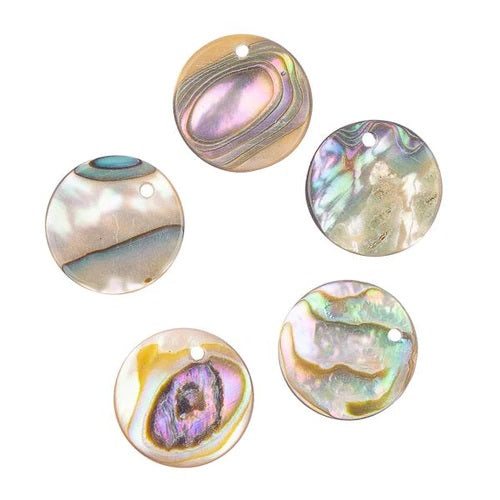


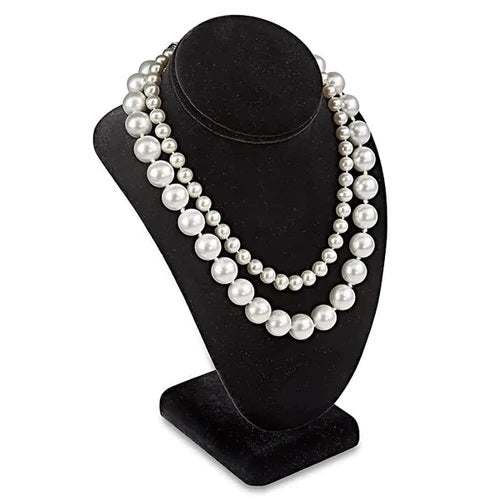
Natural pearls
Form in a mollusc without human intervention initiating pearl formation. They are different from imitation beads and from pearls grown through cultivation.

Free Shipping on Most Orders Over $150* – Learn More >
 Bails
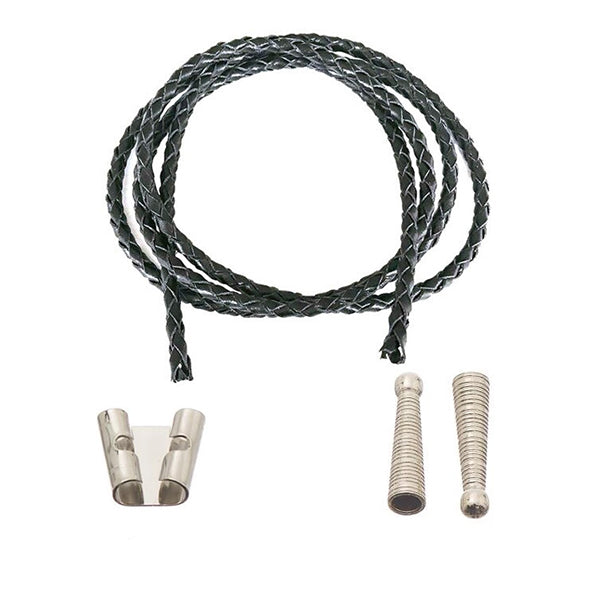 Bolo Tie Acc.
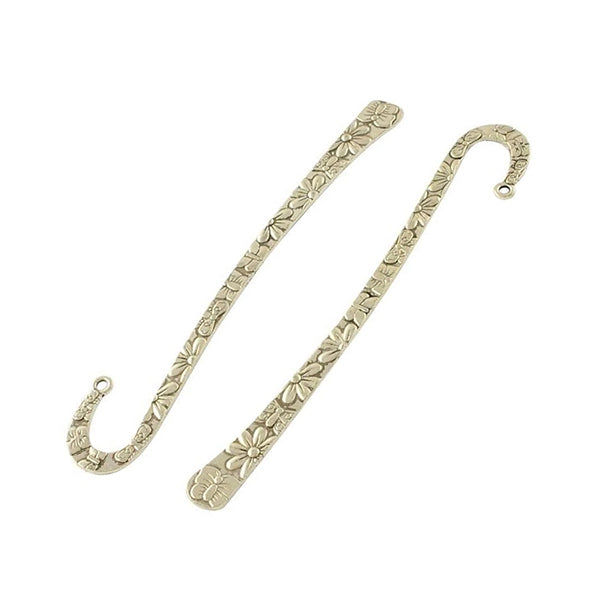 Bookmarks
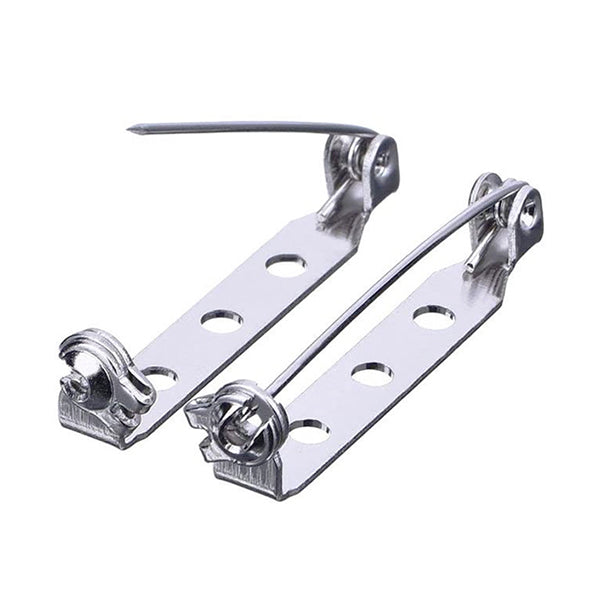 Brooch & Bar Pins
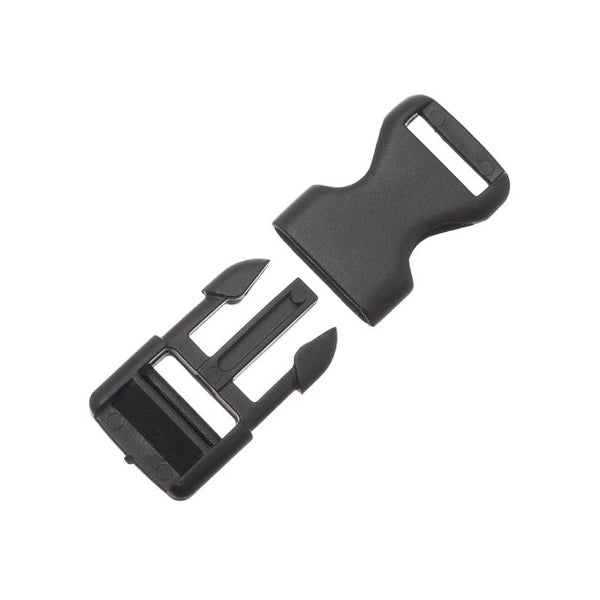 Buckles
 Buttons
 Caps & Cones
 Chain Extenders
 Clasps
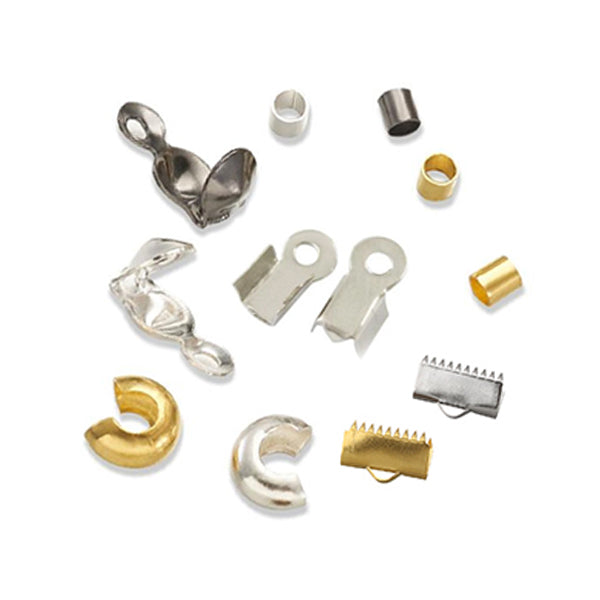 Crimps & Ends
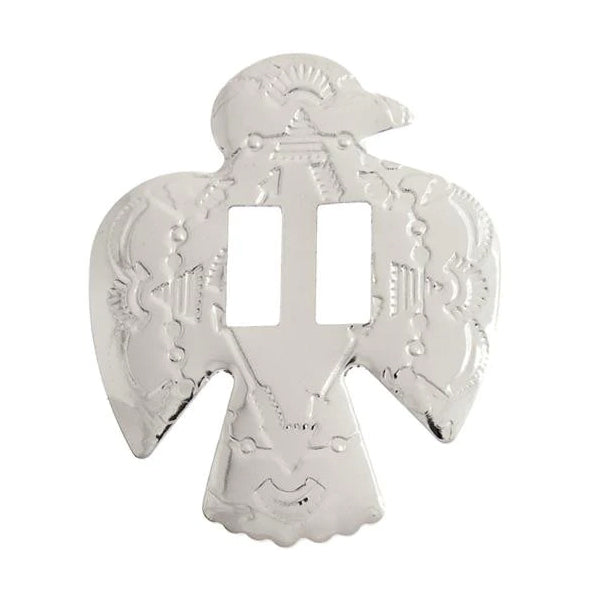 Conchos
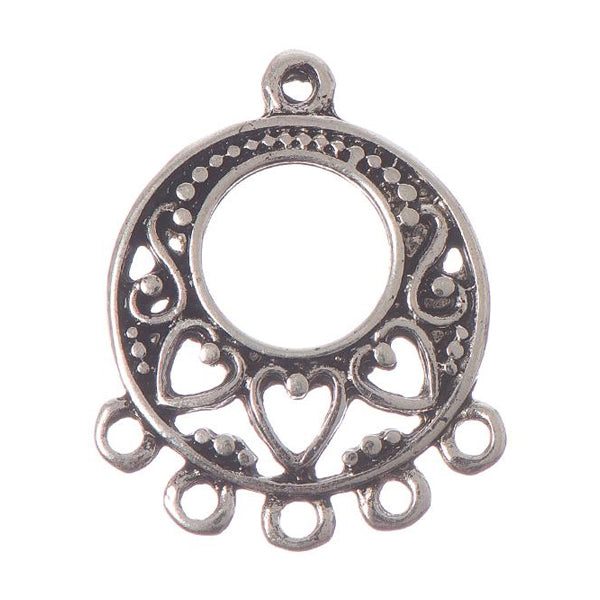 Connectors
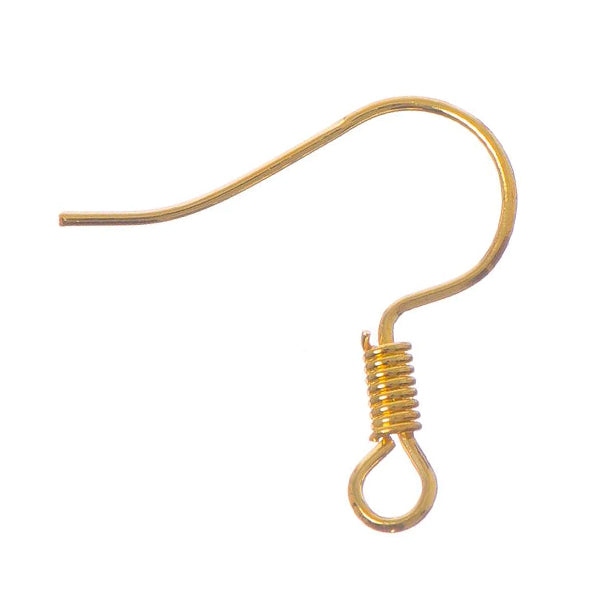 Earring Components
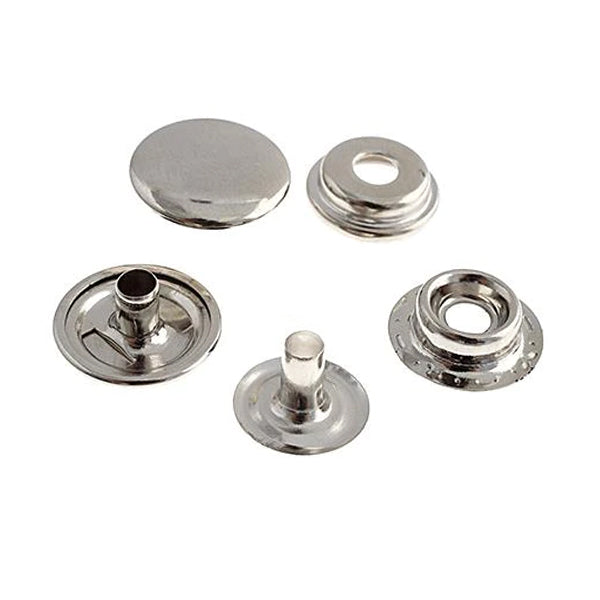 Eyelets & Snaps
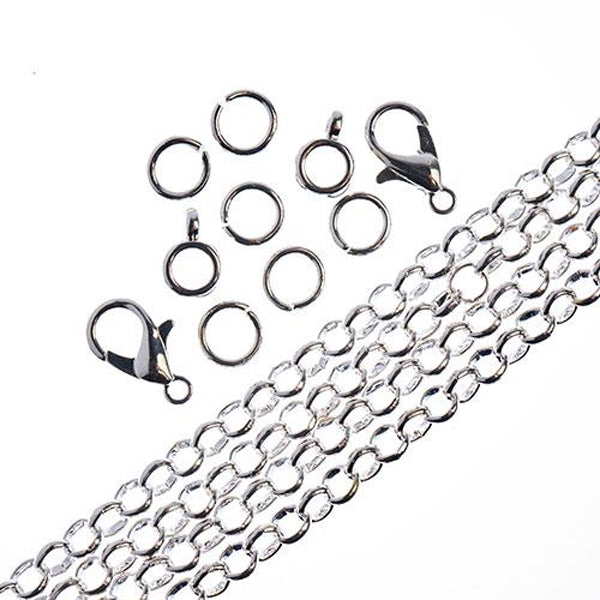 Findings Sets
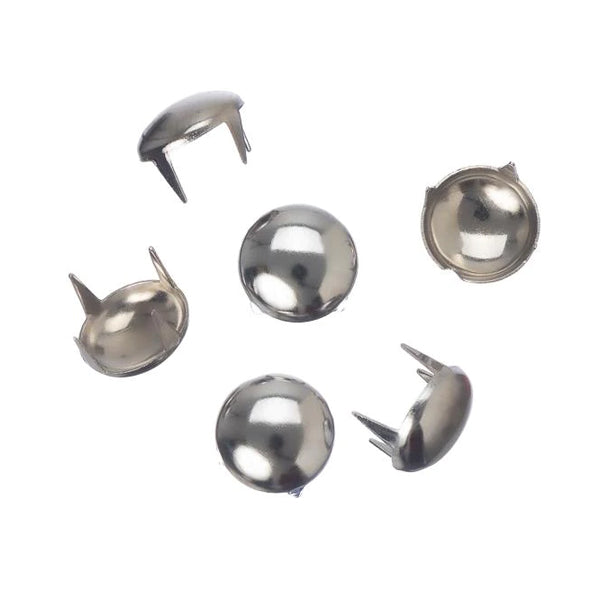 Garment Studs
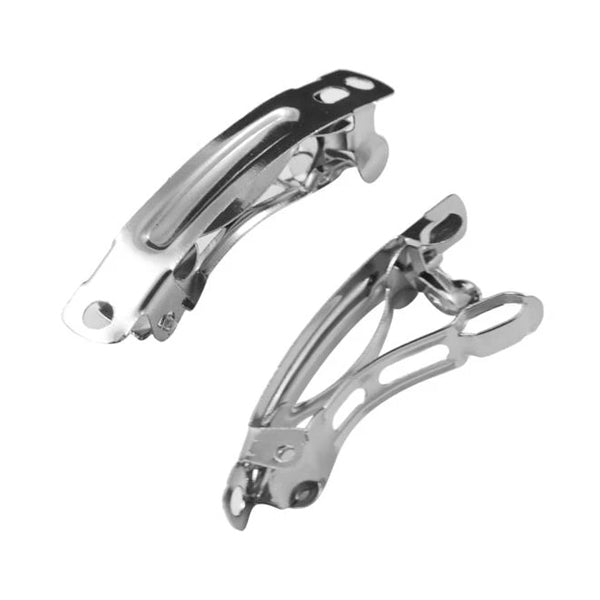 Hair Accessories
 Head & Eye Pins
 Jewelry Parts
 Jump & Split Rings
 Key Chain Parts
 Mobile Phone Acc.
 Safety Pins
 Wire Guards
A story of ingenuity, luminous finishes and the search for an affordable pearl-like glow. Explore the difference between natural, cultured and imitation pearls.
A luminous finish, thoughtfully made.
A soft lustre, a gentle colour and a rounded form have made pearls desirable for centuries. Imitation makers sought that appearance using glass, stone, coatings and other materials. The result can be beautiful in its own right, provided the description makes clear what it is.
Form in a mollusc without human intervention initiating pearl formation. They are different from imitation beads and from pearls grown through cultivation.
Grow in a mollusc after human intervention. Freshwater and saltwater cultured pearls are genuine pearls; they are not glass imitations. Their cultivation, shape and quality vary.
Manufactured beads designed to resemble pearls. They may have glass, plastic or other cores with a pearly coating. “Faux” describes an imitation appearance, not a particular recipe or quality level.
Consider weight, consistency, hole size, finish, price and the desired look. Evenly sized glass pearls can suit a precise pattern; irregular cultured pearls can give a different rhythm. Neither choice needs to pretend to be the other.
Natural pearls were once difficult to obtain in matching sizes and shapes. The desire for an accessible alternative encouraged experiments with pale beads, reflective coatings and hollow glass. Different makers used different combinations of core material, binder and finish; there was no single universal method for every “old pearl”.
European glassmaking centres, including Venice and Bohemia, contributed to this history. Some imitations used hollow glass spheres coated on the inside. Other approaches used a solid core with an outer coating. These constructions can look similar at first glance but differ in weight, fragility and how damage appears.
The name Roman pearls has been applied to more than one type of imitation. Nineteenth-century accounts describe alabaster beads treated to produce a pearly surface. Names in antique advertisements should therefore be read in context rather than assumed to identify a modern standardised material.

The original guide included this passage from Tales of the Moor (1828), by Amelia Gillespie Smyth, as quoted in the London Literary Gazette. It is a fictional traveller’s account: valuable as a period description and viewpoint, rather than a laboratory report. Its comparisons and judgements belong to its time.
“I had intended to devote the evening, much of which remained before me, to a stroll beyond the walls, in the lone Campagna, which was alone wanting to complete my mental panorama; but on returning to my hotel, I found that business, trifling enough in itself, but important to my character as a true and loyal knight, would require my presence in an opposite and more ignoble quarter. I had been enjoined by my sister, and by one whose behests were perhaps still more imperative, to preserve and bring home a large quantity of the highly esteemed Roman pearls; and finding that the precious packet had not, as promised, made its appearance … I resolved to be my own messenger, and to console myself for other privations by a glance at this manufacture, peculiar to Rome; the fish, somewhat resembling the sardine, whose produce gives its activity, being limited to the neighbouring coast.
I was not sorry to be led once more into a quarter of the city which I had rarely trod; through streets spacious, and chiefly formed of the deserted palaces before alluded to, adjoining to, nay even within some of the most decayed of which, a population of the wretchedest description support existence, Heaven alone knows how! In one of these large waste buildings was the manufactory I sought; and the number of persons whom I found employed in its dilapidated apartments, threw some light on the mystery I had just been endeavouring to fathom. They were, of course, chiefly females, but differing as widely in person and manners as the nature of their occupations was powerfully contrasted. In a sort of outer vestibule, some coarse Trasteverine Amazons, the very originals from whom Pinelli must have taken his frightfully accurate sketches of a she fight in that privileged Rione, were characteristically and congenially employed in the extracting from piles of the half-decaying fish the material which communicates to the artificial pearl its truly natural lustre. Here, again, sat a group of ordinary-looking women, mingled with some meagre and emaciated men, busied in forming the rude bead of alabaster, which, cut while that substance is yet soft, is, when properly rounded, coated over with the lustrous fluid before mentioned. This pearl, through far superior in nature and durability to the compound of wax and glass which the more volatile Parisian employs to the deceive the eye, has yet, especially when worn in any quantity, the disadvantage of such an overpowering weight … They are finally polished and freed from adhering impurities by the hands of female artisans.”
This extract from The Engineer and Mechanic’s Encyclopaedia, volume 2, describes a Roman-pearl process. Claims about superiority or resistance to damage are historical claims, not modern care advice.
“Roman pearls are formed of a very pure alabaster, considerable quarries of which exist near Pisa, in Tuscany. The process is as follows: – the alabaster is first sawn into slices, the thickness of the pearls required; the pearls are then formed with an instrument which bores a small hole in the centre, at the same time that the required shape is obtained. The next thing in the process is their immersion in boiling wax, to give them a rich yellow hue, and afterwards to cover them several times with the silvery substance obtained from the scales of the bleak. The singular beauty of this ornament, which perfectly resembles the real pearl, the varied patterns in which they are arranged, and their extreme cheapness, render them an object much sought after; while their solidity is such, that they may be dashed to the ground with violence without receiving the slightest injury; being thus rendered far superior to those of French manufacture, which are at once more fragile, and considerably less imitative.”
The French maker Jacquin is often credited with developing a seventeenth-century fish-scale pearl essence. The reflective material includes guanine crystals. Guanine is a chemical compound, not a protein. Such material could help create a pearly appearance when used in a carefully prepared coating.
The manufacture involved much more than finding a shiny substance. Makers needed to prepare and apply the coating evenly, form suitable glass beads and finish the result so it could be strung. The plates reproduced in the original guide make the division of work particularly clear.


In the first workshop illustration, glass tubing is worked at a flame to form small hollow spheres. A sequence of related forms could be made from a tube and separated. The narrow openings left by the tube provided access to the inside and later served as stringing holes.
In the next illustration, preparation of the reflective material and application of the coating are separate tasks. The original explanation describes coating the inside of the glass and moving the beads so the liquid spreads around the inner surface. A thin, even layer gives a different appearance from an uneven deposit.

Some hollow beads were subsequently filled with wax. This could support the fragile shell and change the weight of the finished bead. Filling and clearing the openings required care: a bead still needed to accept a string. Surviving examples can reveal small tube necks at either side, a clue to how their glass was formed.
These illustrations record historical workshop practices. They are not instructions for a modern home recipe; binders, solvents and working conditions varied. For contemporary craft projects, ready-made pearl beads offer a consistent starting point without recreating the old chemical processes.

The original guide also quoted A History of British Fishes (1836), by William Yarrell. The passage connects the reflective appearance of fish scales with the pearl trade. Its material handling and preservation methods are reproduced as historical reading.
“On the inner surface of the scales of Roach, Dace, Bleak, Whitebait, and other fishes, is found a silvery pigment, which gives the lustre these scales possess. Advantage has been taken of the colouring matter thus afforded to imitate artificially the Oriental pearl. When this practice was most in fashion, the manufactured ornaments bore the name of patent pearl, and the use was universal in the bead-trade for necklaces, eardrops, &c. At present, it seems confined to ornaments attached to combs, or small beads arranged with flowers for head-dresses. So great was the demand formerly at particular times, that the price of a quart measure of fishscales has varied from one guinea to five. The Thames fishermen gave themselves no trouble beyond taking off the side scales, throwing the fish into the river again ; and it was the custom for hawkers regularly before selling any white-fish, as they were called, to supply the beadmakers with the scales. The method of obtaining and using the colouring matter was, first carrying off the slime and dirt from the scales by a run of water ; then soaking them for a time, the pigment was found at the bottom of the vessel. When thus produced, small glass tubes were dipped in, and the pigment injected into thin blown hollow glass beads of various forms and sizes. These were then spread on sieves, and dried in a current of air. If greater weight and firmness were required, a further injection of wax was necessary. Of this pigment, that obtained from the scales of Roach and Dace was the least valuable ; that from the Bleak was in much greater request ; but the Whitebait afforded the most delicate and beautiful silver, and obtained the highest price, partly from the prohibitory regulations affecting the capture of this little fish, the difficulty of transmission, and rapid decomposition. This art of forming artificial pearls is said to have been first practised by the French. Dr. Lister, in his Journey to Paris, says, that when he was in that city, a manufacturer used in one winter thirty hampers of Bleak. Our term Bleak, or Blick, according to Merrett, which has reference to the whiteness of the fish, is derived from a Northern word, which signifies to bleach or whiten.”
Imitation-pearl manufacture developed across several European centres. Hollow and solid glass cores, interior and exterior coatings, and different polishing or finishing methods all contributed to the variety of beads offered. An old strand’s age or place of sale is not enough to identify its exact construction.
Majorica’s own timeline begins with work in Paris in 1890 and a factory in Manacor, Mallorca, in 1902. The company records a further coating development in 1952. Its history is one chapter in the broader story of manufactured pearls, not the origin of every imitation pearl.
GIA’s 1990 study examined Majorica imitations made with a manufactured core and layered surface coating. Such beads imitate a pearl’s appearance; they do not grow inside an oyster. Coating, drying and finishing can be repeated in controlled stages to build an even surface. The details are specific to a maker and period, so a historical study should not be treated as the current formula for every product.

Modern suppliers offer pearl effects in different colours, shapes and sizes. A carefully controlled glass core can be useful when a design calls for repeated dimensions and a substantial feel. Plastic cores can provide a lighter option. The coating and the quality of the hole edges matter as much as the core when planning how the finished piece will wear.
Check for chipped edges, rough openings or coating that obstructs the hole. Choose a thread or wire that passes comfortably, including any extra passes required by your pattern.
A long strand of glass pearls can feel substantial. Consider the number of beads, clasp, stringing material and the wearer’s comfort before committing to the full design.
Keep pearl-effect beads away from abrasive contact. Put jewellery on after cosmetics and fragrance have dried. A durable core does not make every surface coating equally resistant to rubbing or chemicals.
Begin with the maker’s instructions. A soft cloth is a useful first step. Avoid soaking, solvents and aggressive cleaning when the coating or adhesive is unknown; dry before storing separately from harder jewellery.
New arrivals, inspiration, updates and offers, straight to your inbox.
Thanks for subscribing!
This email has been registered!
Last updated: October 19, 2026
Summary of i-Bead Inc.'s Terms of Service:
Product Descriptions: i-Bead Inc. strives for accurate product information, but errors may occur. Product availability and specifications, like size, are subject to change.
Product Images: Images are for representation purposes; actual products may vary in appearance due to display settings or manufacturing differences.
Copyright & Intellectual Property: All content on the Website is owned by i-Bead Inc. or its licensors. Users are granted a limited, non-commercial license to view and print content for personal use but cannot reproduce or distribute it without permission.
Trademarks: The i-Bead name and logo are trademarks of i-Bead Inc. Unauthorized use of trademarks is prohibited.
Use of the Website: Users must comply with laws and the Terms. Account creation may be required for certain services. Users are responsible for account security and cannot engage in harmful behavior or unauthorized access.
Pricing & Availability: Prices are listed in Canadian Dollars (CAD) and are subject to change. Additional charges for taxes, shipping, and duties may apply. Out-of-stock products may be removed or delayed.
Limitation of Liability: i-Bead Inc. is not liable for any indirect damages, and the website is provided "as is" without warranties.
Privacy & Data Protection: The use of personal data is governed by the company’s Privacy Policy, which users should review.
Indemnification: Users agree to defend and hold i-Bead Inc. harmless from any legal issues arising from their use of the site or violation of the Terms.
Modifications: i-Bead Inc. can update these Terms at any time. Changes will be effective upon posting.
Governing Law: The Terms are governed by the laws of Ontario, Canada, and any disputes will be resolved in Ontario courts.
Contact Information: For questions, users can contact i-Bead Inc. at their address or via email or phone.
Summary of i-Bead Inc.'s Refund Policy:
In-Store Purchases: Items can be returned within 30 days with the original receipt for an exchange, store credit, or refund. Must be unopened and in original condition.
Online Purchases: Returns allowed within 30 days of receiving your order. Prior authorization required. Items must be unopened and in original condition.
Non-Returnable Items: Sale items, opened packages, broken strands, cut items (e.g., fabric, ribbon, rhinestone banding, etc), books, patterns, and special orders cannot be returned.
Restocking Fee: Returns after 30 days incur a 20% restocking fee. Clearance/discontinued items cannot be returned after 30 days. Returns initiated beyond 90 days are not eligible for a return or exchange.
Damaged/Defective Items: Contact customer service within 48 hours. Return shipping will be covered, and you can request a refund or replacement.
Return Instructions: Include the reason for the return and your order details. We recommend using a traceable shipping carrier. Returns must be prepaid, and customs fees are not covered.
Refund Process: Refunds will be issued after inspection, minus shipping costs, and may take 1-2 weeks to process.
For returns, the items must be in their original, unopened condition.
Shipping rates, eligibility, discounts and exclusions are explained in our Shipping Policy. Available shipping methods and applicable charges are shown at checkout.
Important: Read these limitations before selecting this lower-cost shipping option. Stamped Envelope Shipping uses Canada Post Lettermail, not a tracked parcel service.
If you want tracking, delivery confirmation or available carrier insurance, select an eligible tracked parcel shipping option instead.
Summary of i-Bead Inc.'s Sales Tax Policy:
Orders delivered within Canada: Applicable GST/HST is calculated based on the delivery province or territory. Please see our Sales Tax Policy for current rates.
First Nations tax relief: Eligible customers may qualify for GST/HST relief. Please review our Native Status Cards policy for eligibility and application requirements before ordering.
U.S. orders: Shipping to U.S. addresses is temporarily suspended.
International orders (outside Canada and the U.S.): We do not charge Canadian GST/HST on goods shipped outside Canada. Destination duties and taxes may apply and are the recipient's responsibility.
Summary of i-Bead Inc.'s Native Status Card Policy:
Tax Exemption Eligibility: Status Card holders can qualify for GST/HST relief if:
Ontario Residents: Eligible for an 8% HST rebate on orders shipped within Ontario.
How to Apply:
Important: Misrepresentation of eligibility can result in penalties from the CRA.
In short, eligible Status Card holders can receive tax relief by following the proper procedure and submitting required documentation.
Summary of i-Bead Inc.'s Privacy Policy:
i-Bead Inc.'s Privacy Policy outlines how they collect, use, and disclose personal information. They gather data directly from users (e.g., contact details, order info, payment info) and through tracking technologies (e.g., cookies). This data is used for order processing, marketing, security, and customer support. The company may share data with third-party vendors and partners for service fulfillment, marketing, and legal compliance. Users can access, correct, or delete their data, and opt-out of marketing communications. The policy also covers data security, retention, and international transfers.
By proceeding with checkout, you acknowledge and agree to i-Bead Inc.'s Terms & Conditions and the applicable policies linked above. Delivery estimates are not guarantees; weather, holidays, postal disruptions, and other carrier-related circumstances may cause delays. Shipping services differ in whether they include tracking, delivery confirmation and insurance, so please review the method you select at checkout and our Shipping Policy.