


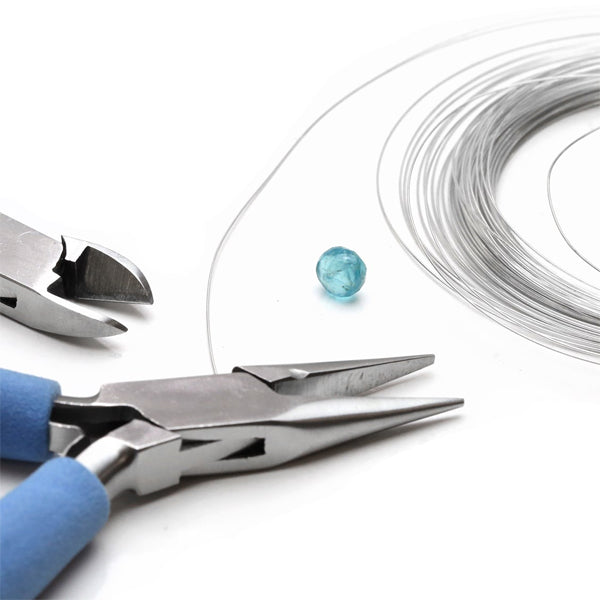
Stainless / surgical steel
A steel name is a starting point.
Stainless steel describes a family of alloys. Common 316 and 316L grades contain nickel; “surgical” alone does not establish an implant standard.
Wahnapitae, ON P0M 3C0
Phone: 705-694-0065
Fax: 705-694-1594
Toll Free: 1-877-224-2323
Email: info@ibeadcanada.com
Mon-Sat: 10am - 6pm
Sun: 11am-5pm
Mon-Sat: 10am - 6pm
Sun: 11am-5pm

Free Shipping on Most Orders Over $150* – Learn More >
 Beaded Rosettes
 Bells
 Cabochons
 Dolls & Acc.
 Dream Catcher Rings
 Drum Making
 Flat Back Stones
 Jingle Cones
 Mirrors
 Pipe Stems
 Rhinestone Banding
 Sequins
 Sew On Stones
 Beading Foundation
 Crepe Soles
 Fabric
 Fringe
 Ribbon
 Trim
 Bails
 Bolo Tie Acc.
 Bookmarks
 Brooch & Bar Pins
 Buckles
 Buttons
 Caps & Cones
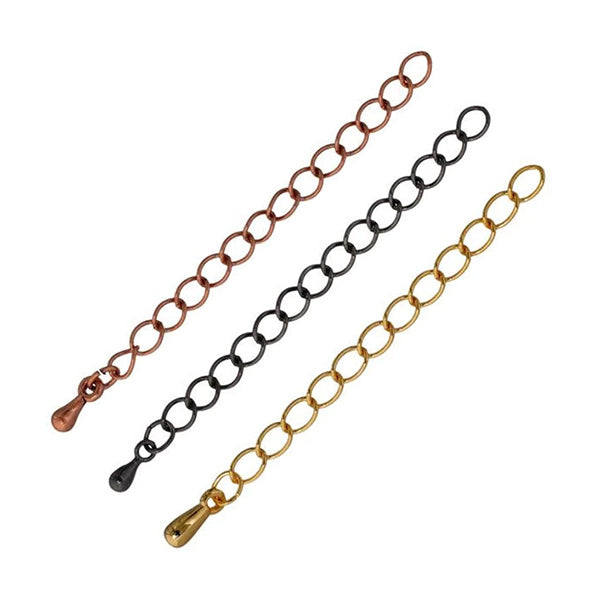 Chain Extenders
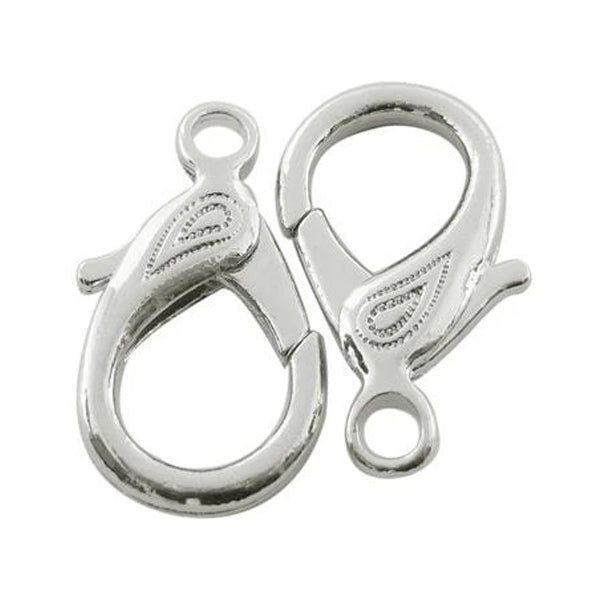 Clasps
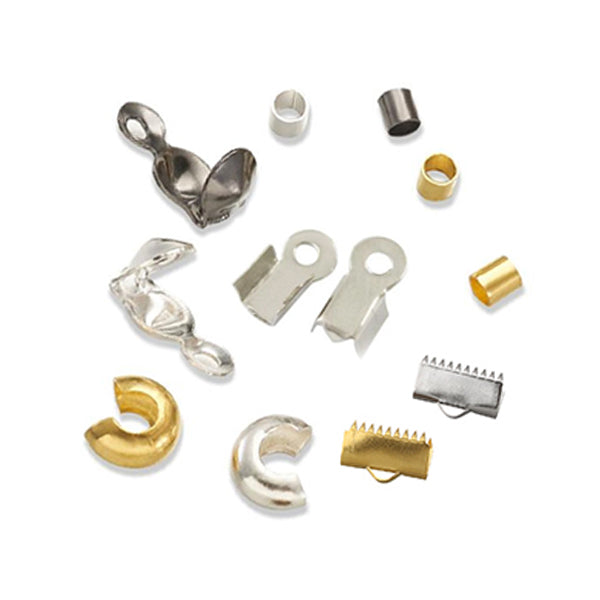 Crimps & Ends
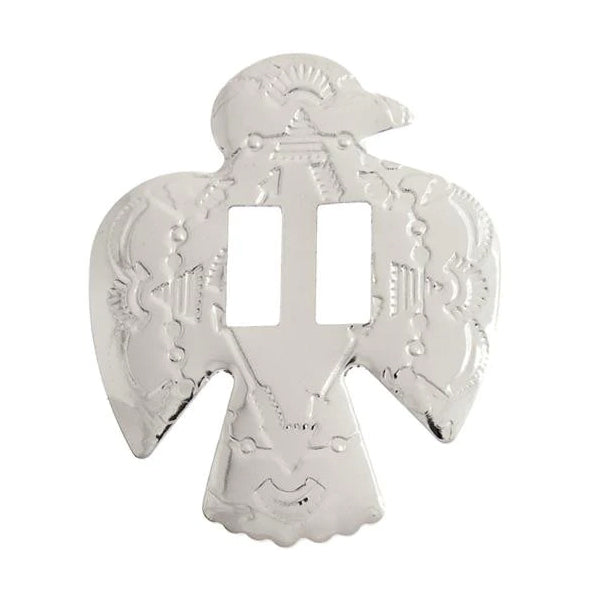 Conchos
 Connectors
 Earring Components
 Eyelets & Snaps
 Findings Sets
 Garment Studs
 Hair Accessories
 Head & Eye Pins
 Jewelry Parts
 Jump & Split Rings
 Key Chain Parts
 Mobile Phone Acc.
 Safety Pins
 Wire Guards
 Leather & Rawhide
 Cord
 Chain
 Leather & Suede Lace
 Sinew
 Thread
 Jewelry Wire
 Memory Wire
 Shaping Wire
 Bead & Craft Kits
 Books
 Patterns
 Displays
 Gift Bags
 Gift Boxes
 Jewelry Cards
 Organizers
 Tags, Labels & Stickers
 Zip Lock Bags
 Chakra
 Healing Stones
 Incense & Holders
 Mala Beads & Acc.
 Oils & Burners
 Rocks & Minerals
 Smudging
i-Bead Inc. · Beads & Care
Beautiful jewellery begins with thoughtful choices. Learn what metal labels mean, check every component and choose with your own skin in mind.
One design. Several materials to consider.
Choose a label below to see what it tells you—and the questions still worth asking.
What does the package say?
Showing all 7 labels.
Stainless / surgical steel
Stainless steel describes a family of alloys. Common 316 and 316L grades contain nickel; “surgical” alone does not establish an implant standard.
What to check: Ask for the exact grade and any relevant material documentation. If you have a known nickel allergy, do not assume a steel finding is nickel-free.
Sterling / 925
Sterling silver contains 92.5% silver. The remaining alloy ingredients, solder and any surface treatment still matter. Silver-plated describes a silver layer over another material.
What to check: Check that the post, hook and back are each described as sterling. “Silver colour” by itself identifies appearance, not silver content.
Gold filled
Gold-filled findings have a mechanically applied layer of karat gold over a base metal. A 14kt gold-filled item is not 14kt gold throughout.
What to check: Ask about the core, gold alloy and other components if you need to avoid a particular metal. The construction label is not an allergy guarantee.
Gold plated / vermeil
Gold plating is a surface layer that can wear. Vermeil has a silver base with gold over it; it is not the same construction as gold-filled.
What to check: Check the base material and any intermediate coatings. A 24kt plating description refers to the gold layer, not the entire finding.
Hypoallergenic / nickel-free
“Hypoallergenic” does not tell you the complete alloy or guarantee that you will never react. “Nickel-free” addresses nickel, not every possible cause of irritation.
What to check: Ask which parts the claim applies to and what information supports it. Match the answer to your own confirmed allergy, rather than a general “sensitive skin” label.
Titanium / niobium
Titanium is an option worth discussing for nickel sensitivity. For piercing jewellery, the APP identifies documented titanium grades such as ASTM F136 and F67. Niobium has a history of use in piercing jewellery but no implant-grade designation.
What to check: A titanium-coloured or titanium-coated item is not necessarily solid titanium. Ask about the underlying metal and the entire assembly; do not infer certification from colour.
Gold / silver / antique finish
A colour or finish name alone does not identify the material underneath. Two matching components can have different base metals or coatings.
What to check: Look for a separate material description. Keep the product number and packaging so you can identify the exact finding later.
Make a component list before choosing your findings. The visible focal is only one part of the design.
Earrings
Record the hook or post, earring back, connecting ring and anything else that rests against the ear. Choosing a sterling post does not identify the material of a separately purchased butterfly back.
Check back-to-post fit as well as material. Do not force a tight back or assume every replacement is interchangeable.
Necklaces & bracelets
Check the chain, clasp, jump rings, crimp covers, spacer beads and pendant back. A small closure can sit against the skin for just as long as the main design.
For a gift, ask whether the wearer avoids a specific metal. Keep a short materials list with the finished piece.
Use these examples to compare documented materials and construction. They are not ranked as allergy-safe. Open the product page for current pack sizes and availability.
Sterling silver
Our 20mm fish hooks, ball-loop studs and butterfly backs are listed as sterling silver. Confirm the exact components and fit for your design; this is not a nickel-free certification.
14kt gold filled
Compare gold-filled ear hooks, ball-loop studs and backs. The listing identifies the construction, but does not document every alloy ingredient or establish suitability for a known allergy.
316 surgical stainless steel
Our 18mm fish hooks are described as 316 surgical stainless steel. Treat that as a material description—not proof of nickel-free composition or certification for a new piercing.
Stainless steel · gold plated
These ball-loop studs are listed as stainless steel with 24kt gold plating. The gold is a surface layer. Ask about the underlying alloy when a specific sensitivity matters.
Need a specific metal excluded? Send us the product number and the material you need to avoid. We can help check the available supplier information before you choose. Ask i-Bead Inc. →
Tick these off while planning your project. Your selections stay on this page only.
0 of 5 planning steps checked.
Allergy is one possibility. Friction, trapped soap, moisture and other materials can also cause irritation.
Keep it comfortable
Follow the care instructions for the most delicate component. Avoid leaving soap or cleaning residue beneath jewellery, and dry compatible pieces after cleaning. Check for rough edges, worn plating or a back that pinches.
If a reaction appears
Stop wearing ordinary jewellery that causes a reaction. Ask a healthcare professional about an unexplained or persistent rash; a dermatologist may use patch testing to identify a contact allergy.
Seek prompt medical care for suspected infection, especially pain, warmth, swelling or pus. A new or healing piercing needs individual advice before you remove or change its jewellery.
Small wording differences can make a big difference to a buying decision.
No single label can promise that. Start with the substance you need to avoid, then check the exact finding. Someone else’s comfortable earrings do not establish what will work for you.
No. 316L stainless steel contains nickel. ATI’s published composition lists 10–14% nickel. That composition does not, by itself, predict an individual skin reaction or establish the nickel release of a finished finding.
Yes. Nickel allergy can develop after previous exposure. A new rash can also have another cause, so do not diagnose it from the jewellery’s colour or price. A clinician can help investigate.
A surface barrier can wear. Do not treat a home-applied coating as permanent proof that a finding suits an allergy. It also does not turn a craft finding into jewellery suitable for a fresh piercing.
This guide and its product examples are for everyday jewellery and healed piercings. Initial piercing jewellery has additional requirements for material documentation, fit, surface quality and sterilization. Ask a qualified piercer to select an appropriate piece; a “surgical steel” label alone is insufficient.
“What is the exact material of this product, including its post and back? Is it plated or coated? What supplier information is available about the metal I need to avoid?” Include the product number so the answer applies to the correct finding.
Sign up today to stay in the loop about the hottest deals, coolest new products, and exclusive sales.
Thanks for subscribing!
This email has been registered!
Last updated: October 19, 2026
Summary of i-Bead Inc.'s Terms of Service:
Product Descriptions: i-Bead Inc. strives for accurate product information, but errors may occur. Product availability and specifications, like size, are subject to change.
Product Images: Images are for representation purposes; actual products may vary in appearance due to display settings or manufacturing differences.
Copyright & Intellectual Property: All content on the Website is owned by i-Bead Inc. or its licensors. Users are granted a limited, non-commercial license to view and print content for personal use but cannot reproduce or distribute it without permission.
Trademarks: The i-Bead name and logo are trademarks of i-Bead Inc. Unauthorized use of trademarks is prohibited.
Use of the Website: Users must comply with laws and the Terms. Account creation may be required for certain services. Users are responsible for account security and cannot engage in harmful behavior or unauthorized access.
Pricing & Availability: Prices are listed in Canadian Dollars (CAD) and are subject to change. Additional charges for taxes, shipping, and duties may apply. Out-of-stock products may be removed or delayed.
Limitation of Liability: i-Bead Inc. is not liable for any indirect damages, and the website is provided "as is" without warranties.
Privacy & Data Protection: The use of personal data is governed by the company’s Privacy Policy, which users should review.
Indemnification: Users agree to defend and hold i-Bead Inc. harmless from any legal issues arising from their use of the site or violation of the Terms.
Modifications: i-Bead Inc. can update these Terms at any time. Changes will be effective upon posting.
Governing Law: The Terms are governed by the laws of Ontario, Canada, and any disputes will be resolved in Ontario courts.
Contact Information: For questions, users can contact i-Bead Inc. at their address or via email or phone.
Summary of i-Bead Inc.'s Refund Policy:
In-Store Purchases: Items can be returned within 30 days with the original receipt for an exchange, store credit, or refund. Must be unopened and in original condition.
Online Purchases: Returns allowed within 30 days of receiving your order. Prior authorization required. Items must be unopened and in original condition.
Non-Returnable Items: Sale items, opened packages, broken strands, cut items (e.g., fabric, ribbon, rhinestone banding, etc), books, patterns, and special orders cannot be returned.
Restocking Fee: Returns after 30 days incur a 20% restocking fee. Clearance/discontinued items cannot be returned after 30 days. Returns initiated beyond 90 days are not eligible for a return or exchange.
Damaged/Defective Items: Contact customer service within 48 hours. Return shipping will be covered, and you can request a refund or replacement.
Return Instructions: Include the reason for the return and your order details. We recommend using a traceable shipping carrier. Returns must be prepaid, and customs fees are not covered.
Refund Process: Refunds will be issued after inspection, minus shipping costs, and may take 1-2 weeks to process.
For returns, the items must be in their original, unopened condition.
Shipping rates, eligibility, discounts and exclusions are explained in our Shipping Policy. Available shipping methods and applicable charges are shown at checkout.
Important: Read these limitations before selecting this lower-cost shipping option. Stamped Envelope Shipping uses Canada Post Lettermail, not a tracked parcel service.
If you want tracking, delivery confirmation or available carrier insurance, select an eligible tracked parcel shipping option instead.
Summary of i-Bead Inc.'s Sales Tax Policy:
Orders delivered within Canada: Applicable GST/HST is calculated based on the delivery province or territory. Please see our Sales Tax Policy for current rates.
First Nations tax relief: Eligible customers may qualify for GST/HST relief. Please review our Native Status Cards policy for eligibility and application requirements before ordering.
U.S. orders: Shipping to U.S. addresses is temporarily suspended.
International orders (outside Canada and the U.S.): We do not charge Canadian GST/HST on goods shipped outside Canada. Destination duties and taxes may apply and are the recipient's responsibility.
Summary of i-Bead Inc.'s Native Status Card Policy:
Tax Exemption Eligibility: Status Card holders can qualify for GST/HST relief if:
Ontario Residents: Eligible for an 8% HST rebate on orders shipped within Ontario.
How to Apply:
Important: Misrepresentation of eligibility can result in penalties from the CRA.
In short, eligible Status Card holders can receive tax relief by following the proper procedure and submitting required documentation.
Summary of i-Bead Inc.'s Privacy Policy:
i-Bead Inc.'s Privacy Policy outlines how they collect, use, and disclose personal information. They gather data directly from users (e.g., contact details, order info, payment info) and through tracking technologies (e.g., cookies). This data is used for order processing, marketing, security, and customer support. The company may share data with third-party vendors and partners for service fulfillment, marketing, and legal compliance. Users can access, correct, or delete their data, and opt-out of marketing communications. The policy also covers data security, retention, and international transfers.
By proceeding with checkout, you acknowledge and agree to i-Bead Inc.'s Terms & Conditions and the applicable policies linked above. Delivery estimates are not guarantees; weather, holidays, postal disruptions, and other carrier-related circumstances may cause delays. Shipping services differ in whether they include tracking, delivery confirmation and insurance, so please review the method you select at checkout and our Shipping Policy.
Wahnapitae, ON P0M 3C0
Phone: 705-694-0065
Fax: 705-694-1594
Toll Free: 1-877-224-2323
Email: info@ibeadcanada.com
Mon-Sat: 10am - 6pm
Sun: 11am-5pm
Mon-Sat: 10am - 6pm
Sun: 11am-5pm